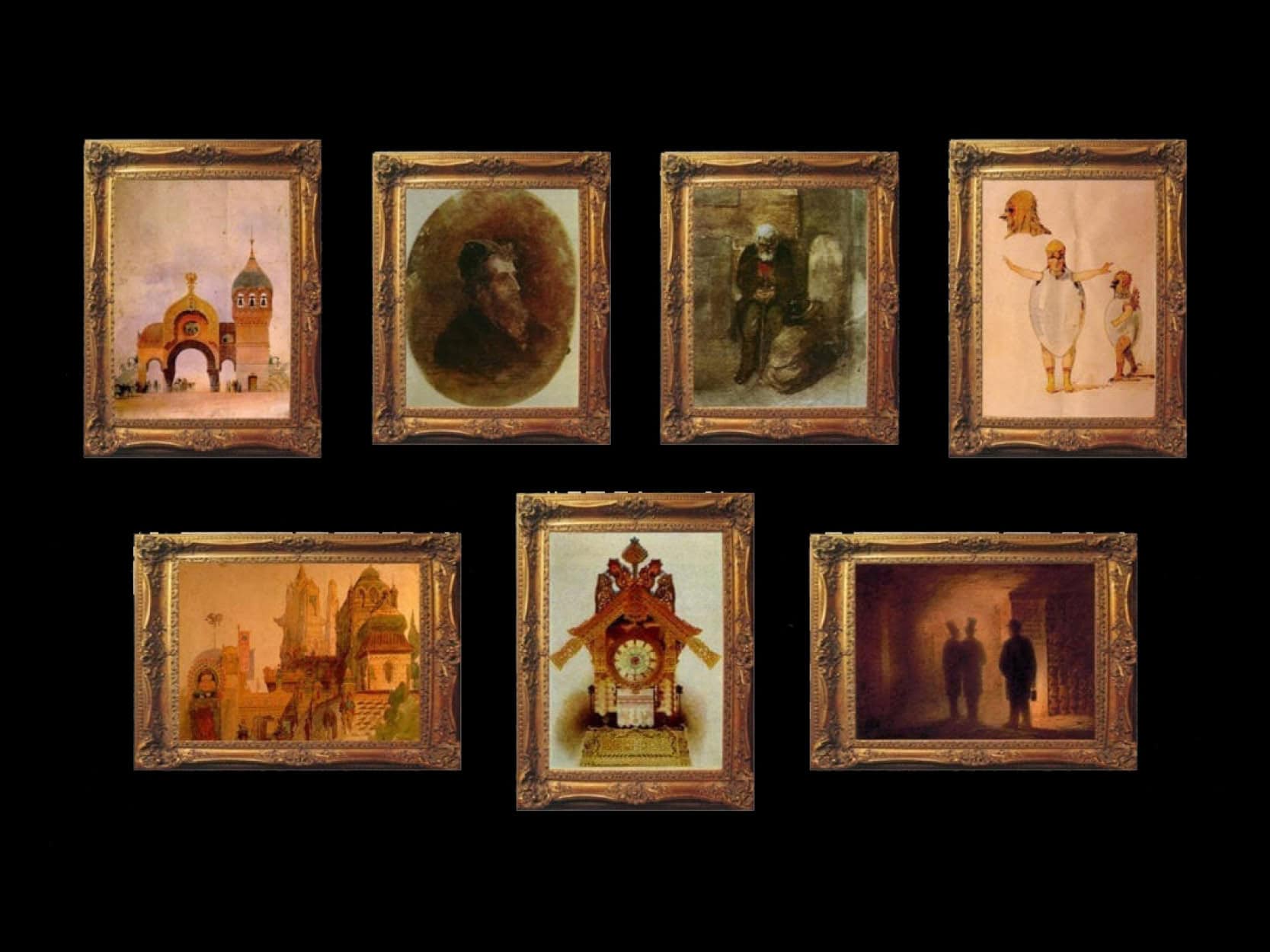
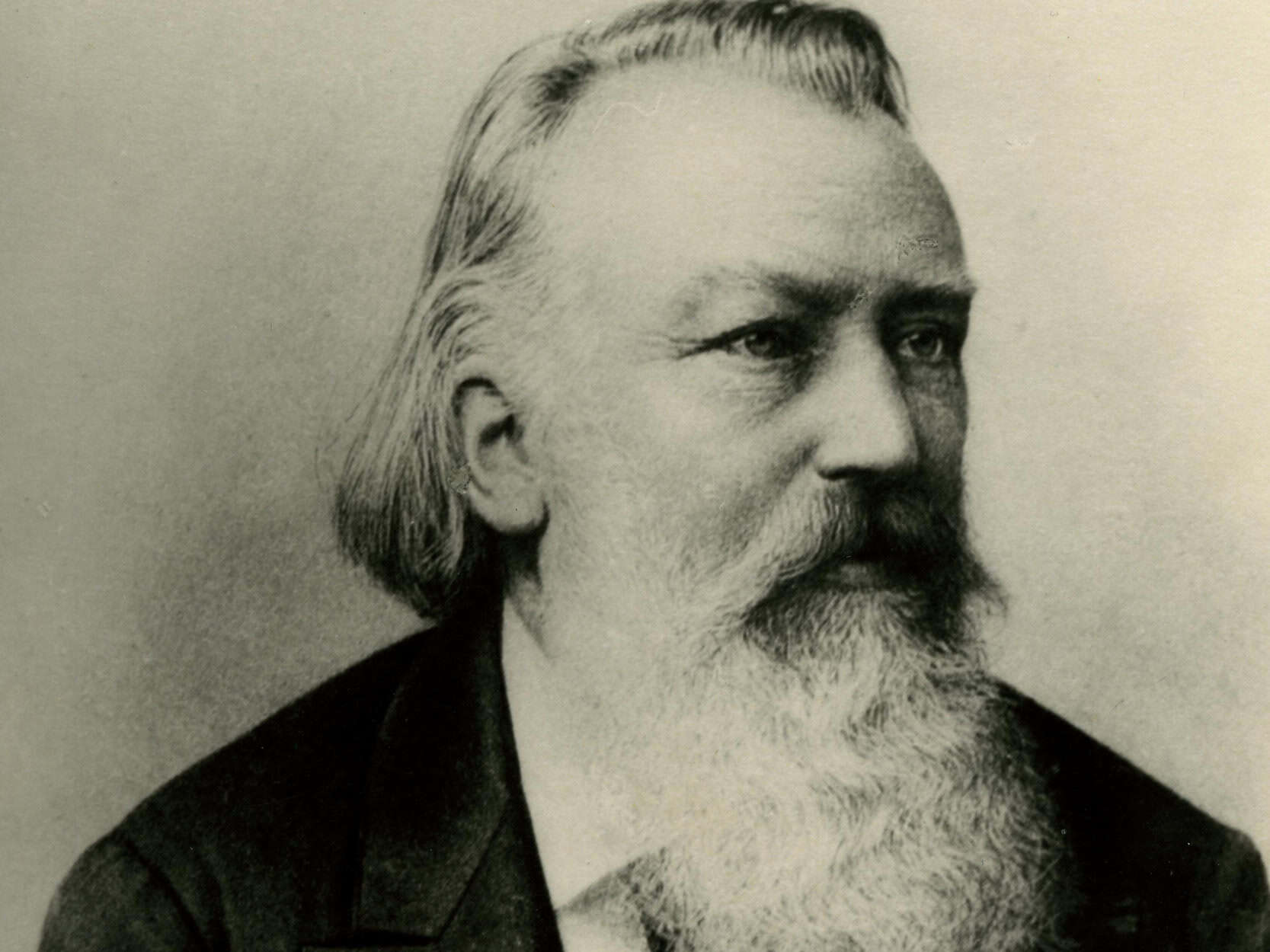
The Symphony welcomes acclaimed clarinetist Anthony McGill for an emotionally powerful evening featuring Tchaikovsky’s Symphony No. 6.   Program Quinn MASON Shine Time Malek JANDALI Clarinet Concerto (Anthony McGill) PYOTR ILYICH TCHAIKOVSKY Symphony No. 6   Program Notes Shine Time Quinn Mason Born: 1996, Dallas, Texas Composed: 2024 Premiered: January 18, 2025, Plano Symphony Orchestra with Héctor Guzmán conducting Duration: 7 minutes Shine Time was commissioned by the Plano Symphony Orchestra, with generous support from Charles and Tammy Miller, in honor of music director Héctor Guzmán and his 41 fruitful seasons with the orchestra. In composing this work, I sought to create a showpiece that celebrates the unique chemistry that Maestro Guzmán and the orchestra have, shows off the virtuosity of the Plano Symphony Orchestra, and even pay tribute to the Maestro himself. — Quinn Mason   Clarinet Concerto Malek Jandali Born: December 25, 1972, Waldbröl, West Germany Composed: 2019-2021 Premiered: March 9, 2024, Fairfax Symphony Orchestra with Christopher Zimmerman conducting, Center for the Arts, George Mason University Duration: 26 minutes. Dedication: “In memory of all victims of injustice.” Written for Anthony McGill, principal clarinetist of the New York Philharmonic and artistic director of Juilliard’s Music Advancement Program, Jandali’s Clarinet Concerto was completed in 2021 and dedicated to McGill “in memory of all victims of injustice.” Infused with ancient Syrian themes, it continues the composer’s mission to preserve his homeland’s heritage through music. Reflecting on the work, McGill said, “In the midst of pain and injustice, all we can do is pour our hearts and souls into something beautiful that can live on.” He described feeling “connected to something much greater than myself” through its haunting themes. Marin Alsop, a longtime collaborator, calls Jandali’s art “deeply moral,” likening his use of Syrian folk elements to Bartók and Dvořák: “The most important part of the story is always the moral.” Musically, the concerto unfolds from a mysterious ...

Buy Tickets
Learn More

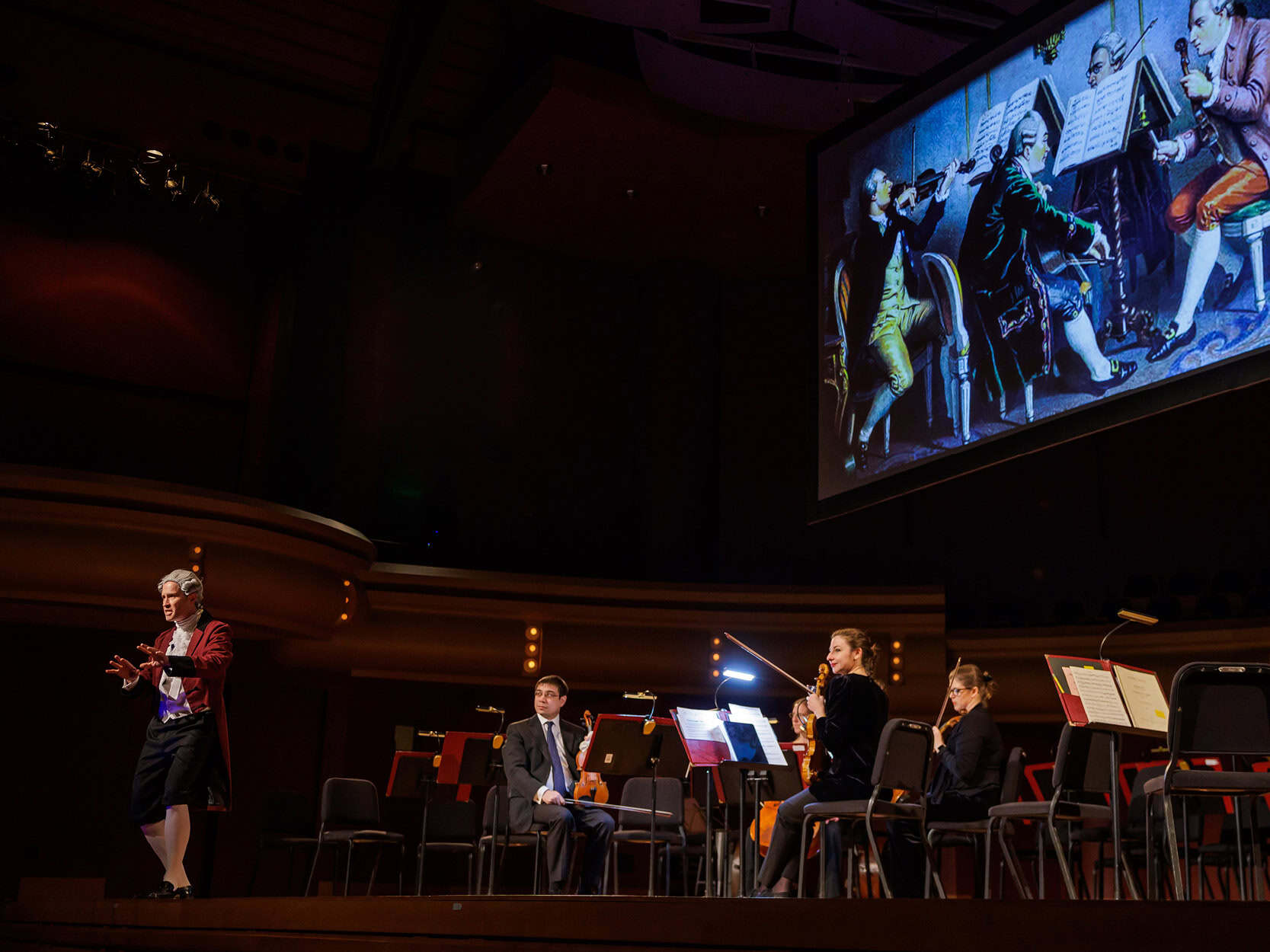
South Bend Symphony Concertmaster Jameson Cooper takes center stage as the Symphony presents Beethoven’s Eroica—a revolutionary masterpiece of heroism, resilience, and triumph.    Program Jessica CARTER Hidden: In memory of Rosemary Sanders MAX BRUCH Concerto No. 1 in G minor for Violin and Orchestra, Op. 26 I. Prelude: Allegro moderato II. Adagio III. Finale: Allegro energico — Intermission — LUDWIG VAN BEETHOVEN Symphony No. 3 in E-flat major, Op. 55 “Eroica” I. Allegro con brio II. Marcia funebre: Adagio assai III. Scherzo: Allegro vivace IV. Finale   Program Notes Hidden: In memory of Rosemary Sanders Jessica T. CARTER Born: 1992 Composed: 2025 World Premiere Jessica T. Carter is a composer, violinist, mezzo-soprano, and educator from Indiana whose music has been described as “evocative” (Aspire Magazine) and “lyrical” (Apricity Magazine). Her work explores the intersection of empathy, compassion, and disruption, often amplifying marginalized voices through story-driven soundscapes. Carter is the recipient of the Craig and Carol Kapson Bicentennial Scholarship in Music Composition (2018, 2019), winner of the 2020 Indiana University South Bend Symphonic Composition Competition with her cello concerto Rancor and Triumph, a 2023 finalist for the Respighi Prize in Composition, and a 2025 finalist for the American Prize in Composition. Her works have been commissioned by the South Bend Symphony Orchestra, Crossing Borders Music, Castle of Our Skins, and Ensemble CONCEPT/21. Her research and creative output include Concert Music of the Civil Rights Movement (2020 and her debut “EP Memories” (2020).   Concerto No. 1 in G minor for Violin and Orchestra, Op. 26 Max Bruch Born: January 6, 1838, Cologne, Prussia Died: October 2, 1920, Berlin-Friedenau, Germany Composed: 1866; revised 1867 Premiered: January 7, 1868, Bremen, Germany, with Joseph Joachim as soloist and Karl Martin Rheinthaler conducting Duration: 25 minutes Having completed his first symphony by age 14, Max Bruch displayed an early aptitude for music under the tutelage of his mother and was ...

Buy Tickets
Learn More

Cellist Joshua Roman takes center stage to perform Dvořák’s Cello Concerto, a masterful work showcasing the cello’s expressive depth and technical brilliance.  Program BENJAMIN BRITTEN “Four Sea Interludes” from Peter Grimes, Op. 33a I. Dawn II. Sunday Morning III. Moonlight IV. Storm — Intermission — Anna CLYNE Color Field ANTONÍN DVOŘÁK Cello Concerto in B minor, Op. 104 I. Allegro II. Adagio ma non troppo III. Finale. Allegro moderato   Program Notes “Four Sea Interludes” from Peter Grimes, Op. 33a BENJAMIN BRITTEN Born: November 22, 1913, Lowestoft, England Died: December 4, 1976, Aldeburgh, England Composed: 1944–45 Premiered: June 7, 1945, London, England (full opera); June 14, 1945, Cheltenham, England (interludes only) Duration: 17 minutes “Drawn” from his opera Peter Grimes, Britten’s “Four Sea Interludes” offer a vivid orchestral portrait of the sea and the coastal village life that frames the opera’s tragic narrative of a fisherman ostracized by his community after the death of his apprentice at sea. While originally conceived as scene changes within the opera, Britten recognized the independent strength of these interludes and arranged them into a concert suite, which quickly became one of his most frequently performed orchestral works. Each interlude evokes a different mood and aspect of the sea, integral to the opera’s setting and psychological landscape. “Dawn” opens with shimmering strings and high woodwinds that conjure the expansive stillness and quiet majesty of morning over the North Sea. This music sets a tone of eerie calm that belies the tensions simmering beneath the surface of the opera’s plot. “Sunday Morning” captures the bustle and brightness of a seaside town awakening to church bells and communal routines. With its bell-like percussion and lively rhythmic interplay, the movement reflects the surface respectability of the village, which contrasts sharply with its judgmental undercurrents. “Moonlight” offers a moment of reflection and nocturnal beauty. Slow-moving, with luminous orchestration it evokes the silvery glow of ...

Buy Tickets
Learn More

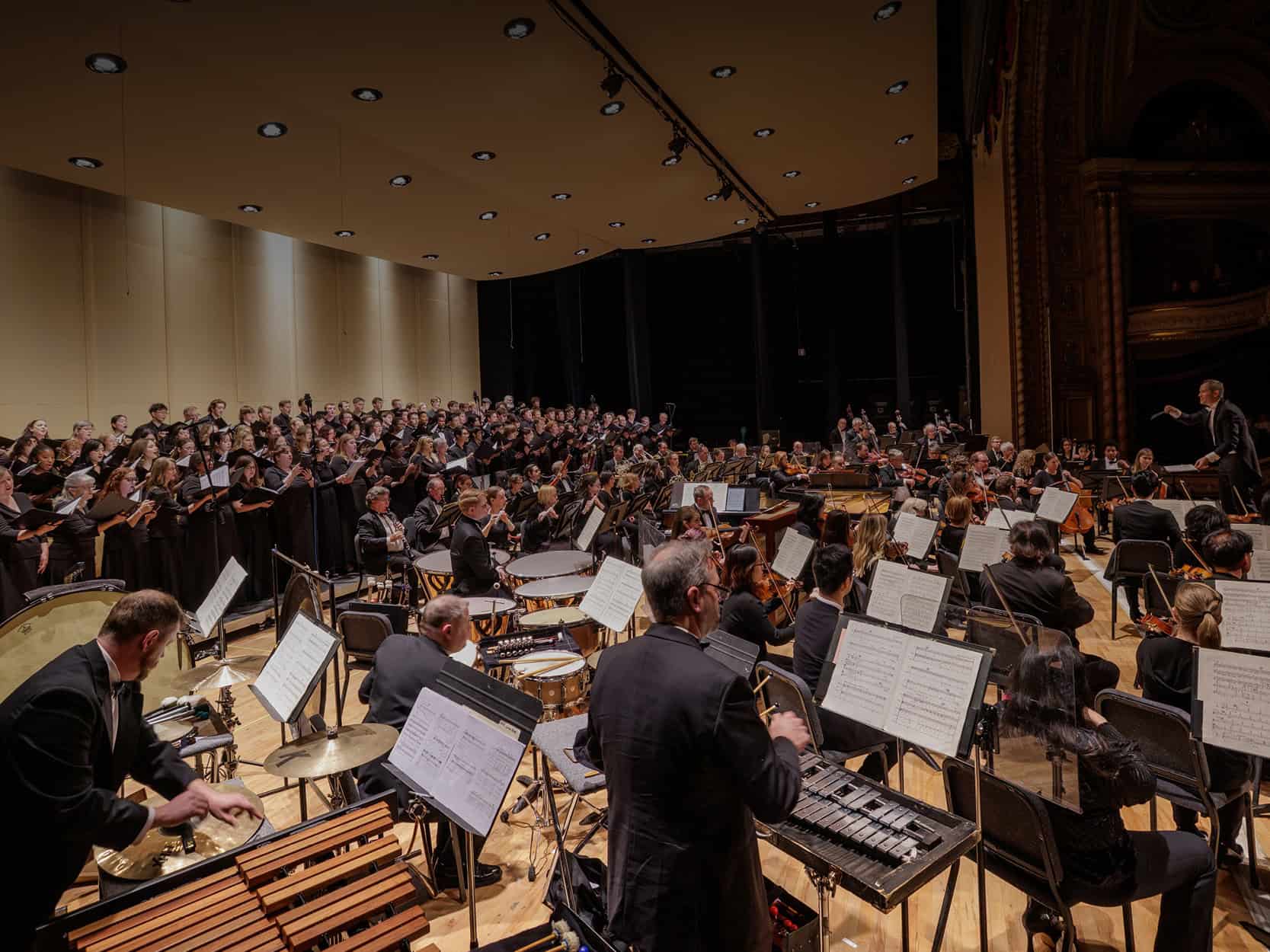
The season crescendos with Carmina Burana, a spectacular choral work featuring: Alastair Willis, conductor St. Mary’s College Belles Voix South Bend Chamber Singers Dr. Nancy Menk, director Notre Dame Chorale Notre Dame Glee Club   Program RICHARD STRAUSS Tod und Verklärung — Intermission — CARL ORFF Carmina Burana I. O Fortuna, velut Luna II. Fortune plango vulnera III. Ecce gratum IV. Tanz-Uf dem anger V. Floret silva VI. Were diu werlt alle min VII. Amor volat undique VIII. Ego sum abbas IX. In taberna quando sumus X. In trutina XI. Dulcissime XII. Ave formosissima XIII. Fortuna Imperatrix Mundi   Program Notes Tod und Verklärung (Death and Transfiguration) Richard Strauss Born: June 11, 1864, Munich, Germany Died: September 8, 1949, Garmisch-Partenkirchen, Germany Composed: 1888–89 Premiered: June 21, 1890, Eisenach, Germany, conducted by Richard Strauss Duration: 25 minutes Richard Strauss was just 25 when he composed Tod und Verklärung, yet the tone poem grapples with one of the most profound human experiences: the transition from life to death, and the idea of spiritual transfiguration beyond the mortal realm. The work reflects Strauss’s fascination with narrative in music, as well as his deepening command of orchestral color and emotional pacing. The piece unfolds in a single continuous movement but is often described in four distinct sections: the dying man’s illness, his life flashing before him, the moment of death, and his transfiguration. It opens with hushed, irregular “heartbeats” in the low strings and a plaintive oboe line, painting the quiet agony of a man on his deathbed. This leads to more vigorous music as memories of youth wake a struggle against death represented by the full power of the brass section. The climax arrives with a shattering orchestral eruption—the moment of death—after which the texture thins, and luminous harmonies suggest the soul’s ascent to a higher plane. Strauss collaborated with the poet Alexander Ritter, who later published a ...

Buy Tickets
Learn More